If you are looking for value-add potential in Buhl investment homes, the biggest wins usually come from clear-eyed math, not wishful thinking. In a smaller market like Buhl, one overlooked permit issue, one bad comp, or one too-optimistic resale number can change the whole deal. The good news is that there are real opportunities here if you know what to look for. Let’s dive in.
Why Buhl deserves a careful approach
Buhl is a small Magic Valley city with roughly 4,500 residents, and that matters more than it might seem at first glance. In a market this size, each comparable sale can carry more weight, and the condition of a specific property can affect value in a big way.
Recent market snapshots point to a place that is still relatively affordable, but not effortless. Redfin reported a median sale price of $310,839 for the three months ending April 2026, while Zillow showed an average home value of $377,821 and a median list price of $385,167 as of April 30, 2026. Those numbers are different measurements, so the smart move is to use both sold comps and active listings when you underwrite a deal.
Buhl also sits below Idaho’s statewide median home value. Census Reporter places Buhl’s median owner-occupied value at $247,500, compared with Idaho QuickFacts showing a statewide median of $418,600. With a local median household income of $55,568, it is reasonable to expect many buyers to be payment-sensitive, which makes over-improving a property a real risk.
What value-add looks like in Buhl
In Buhl, value-add usually means improving function, condition, and presentation in a way that lines up with what local buyers will actually pay for. This is not the kind of market where you should count on hype to save a deal.
Recent sold examples show a wide spread, from a 910-square-foot two-bedroom home selling at $243,000 to a 2,444-square-foot five-bedroom home selling at $800,000. That range tells you something important: square footage alone does not drive value. Condition, finish level, and how useful the lot and improvements are can matter just as much.
The city’s housing tenure summary also shows that 78.6% of housing is owner-occupied and 21.4% is renter-occupied. That means even if you are investing, owner-occupant appeal still matters if your exit plan involves resale.
Focus on the easiest plays first
The simplest value-add opportunities in Buhl are often the safest ones. In many cases, that means established single-family homes with dated finishes, deferred maintenance, or light functional problems that can be corrected without changing the property’s use.
According to Buhl’s zoning framework, single-family dwellings are permitted in the city’s main residential districts, including AG-R5, R-1, R-4, R-6, and R-16. That makes cosmetic and light-functional rehabs in single-family areas easier to evaluate than more complex conversion plans.
Useful value-add categories in Buhl often include:
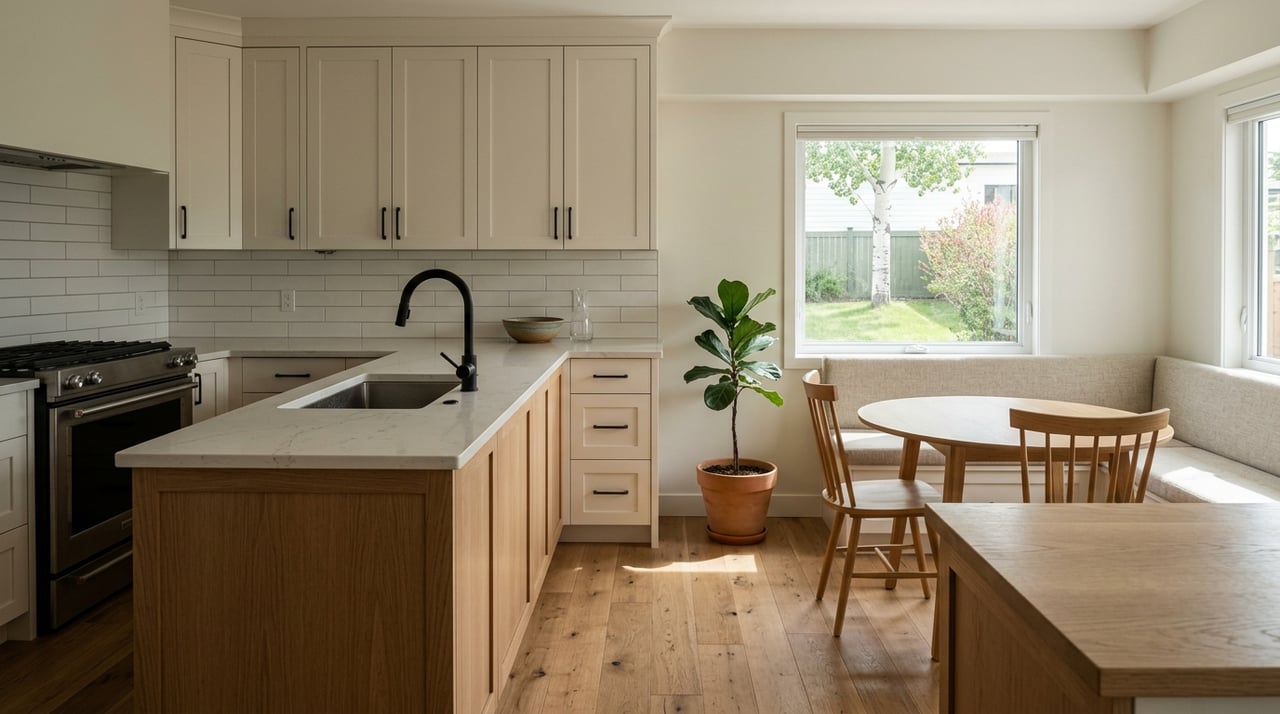
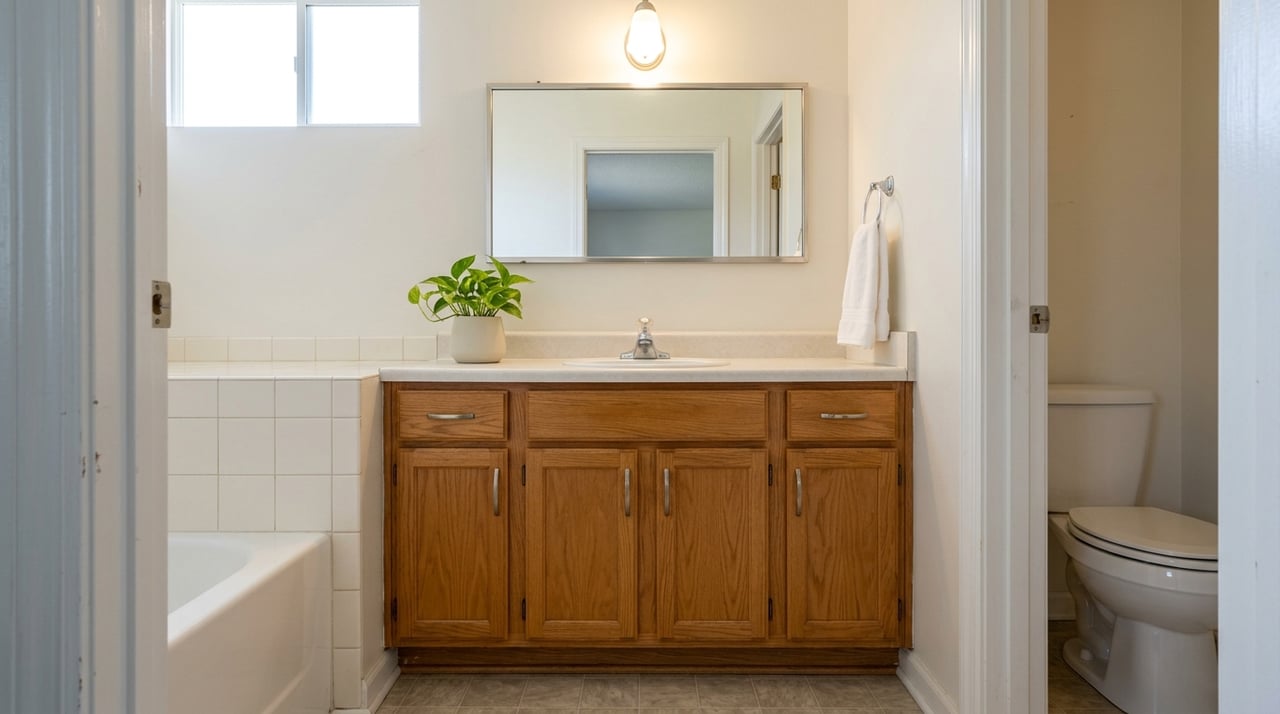
- Older single-family homes with outdated kitchens, baths, flooring, paint, or fixtures
- Manufactured-home opportunities on lots that can comply with city and state standards
- Possible duplex conversions only where zoning and lot-size rules support them
- Edge-of-town or acreage parcels where city and county rules may both affect the plan
If you are comparing several properties, the one with the clearest path often deserves the strongest look. A simpler project with fewer entitlement questions can outperform a more exciting property that gets stuck in review.
Check zoning before you assume upside
This is one of the biggest places investors can get in trouble. A property may look like it has extra potential, but that does not mean the city will treat that potential as permitted by right.
Buhl’s planning department reviews projects under the city’s Comprehensive Plan and Title 9 of the city code. Depending on the project, the process can include a pre-application meeting, formal application, fees, and a public meeting.
That is especially important if you are thinking about changing density or use. Two-family dwellings are conditional uses in the residential districts listed in the research, and multi-family uses are conditional as well. In plain terms, a duplex strategy should be confirmed before you buy, not after.
Bulk standards matter too. New single-family detached homes in residential districts must have at least 1,000 square feet of living space and improved off-street parking for two standard vehicles. Duplex conversions in R-4 and R-6 must also meet minimum lot-size requirements.
Read listing photos like an investor
The first pass through photos should help you separate cosmetic issues from scope risk. Cosmetic pain can create opportunity. Hidden scope can erase it.
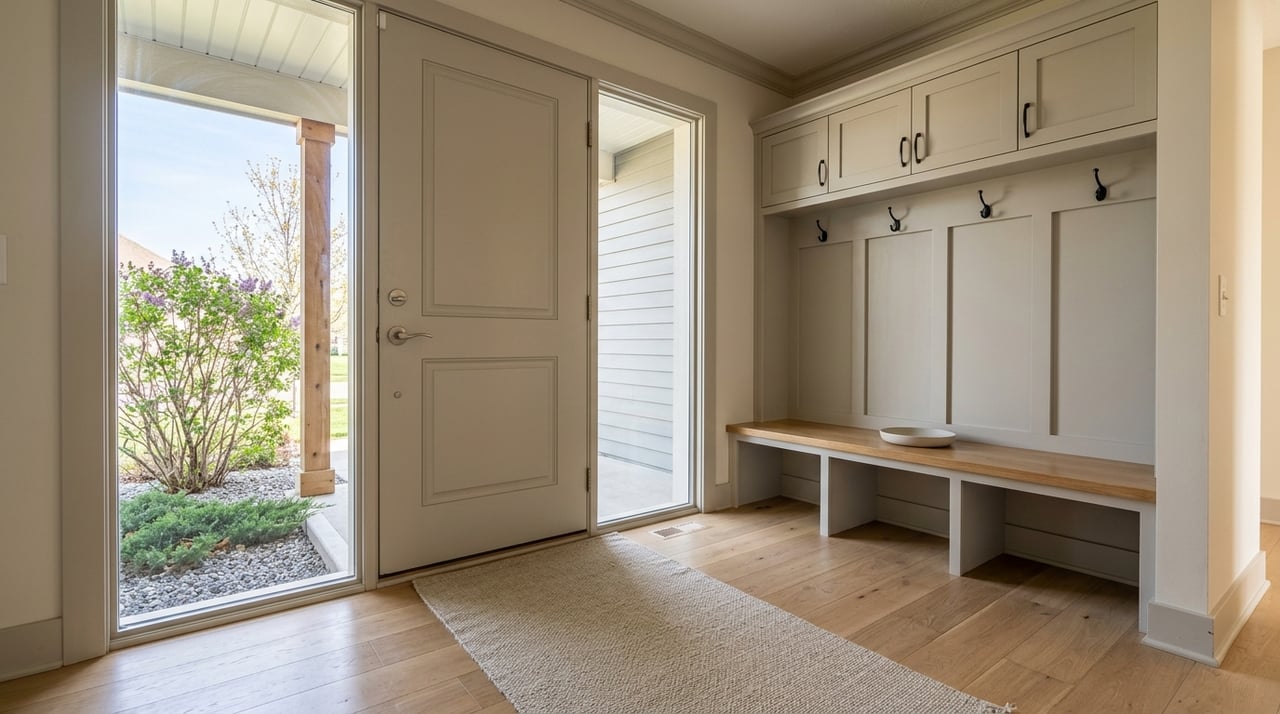
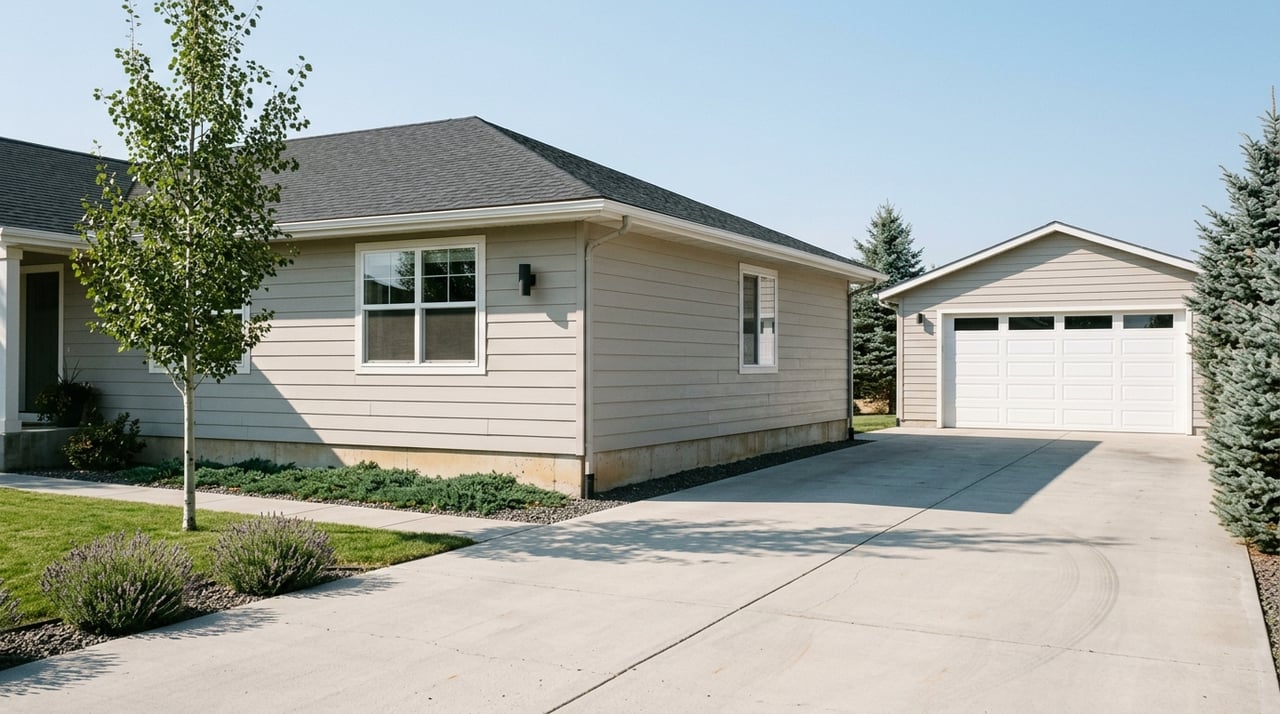
In Buhl, listing photos should prompt extra questions if you see signs of roof wear, old windows, unfinished basements, removed walls, added rooms, covered porches, decks, fencing, or unusual garage and shop setups. Those features may be perfectly fine, but they may also involve work that required permits.
The city states that permits are required for most construction. That includes additions, covered porches, decks, fences, basement finishes, wall removals, new rooms, roof decking replacement, window changes that alter an opening, demolition, and manufactured-home installation.
That means your photo review should include one simple question: What here might trigger a permit history check? If the answer is “a lot,” your due diligence needs to be stronger.
Watch for permit-sensitive scope
Some projects look simple on the surface but are more complex once you involve the building department. That is especially true when improvements affect structure, layout, occupancy, or exterior features.
Even fence and deck work can be permit-sensitive in Buhl depending on attachment, height, or size. If you are buying a home with several past additions or exterior improvements, do not treat that as a minor detail.
For larger plans, the process can go beyond a basic permit. The zoning code allows the city to require site-plan review as a condition of approval, and conditional uses involve a formal application and public hearing process. If your strategy depends on adding units, significantly expanding the footprint, or intensifying use, that timeline needs to be in your numbers.
Older homes need a different repair lens
Many value-add homes are older homes, and older homes can carry extra compliance costs. In Buhl, the building department points to EPA lead-paint rules for renovation, repair, and painting work that disturbs lead-based paint in pre-1978 homes.
That matters because a contractor bid based only on visible finishes may be incomplete. If the work disturbs painted surfaces in an older property, your renovation budget should reflect that from the start.
This is one reason “cheap” homes are not always cheap deals. A lower purchase price can still lead to a tighter margin if the scope expands once real compliance and repair needs are known.
Underwrite conservatively in Buhl
Buhl can offer room for improvement, but it is not a market where you should rely on perfect execution or instant appreciation. The spread between purchase price, rehab cost, and likely resale may be narrower than it first appears.
Redfin describes Buhl as “not very competitive,” with homes averaging 78 days on market and a 98.8% sale-to-list ratio, while 19.3% of homes sold above list price. That suggests polished homes can still perform well, but pricing and presentation need to be right.
A smart underwriting approach in Buhl usually includes:
- Using both recent sold comps and current active competition
- Stress-testing the resale price instead of modeling the best-case number
- Allowing for permit, inspection, and contractor timing delays
- Separating cosmetic updates from true structural or compliance scope
- Remembering that local buyers may be more budget-sensitive than statewide averages suggest
In this market, value-add often comes from buying well and fixing the right problems, not from assuming a bidding war will cover mistakes.
Don’t overlook taxes and closing details
Holding costs and logistics matter, especially if your project timeline is tight. The Twin Falls County Assessor discovers, lists, and values taxable property, but it does not set taxes or estimate them for you. That means you should verify tax details directly rather than relying on seller assumptions.
The county also administers a Property Tax Reduction program for qualifying owner-occupied primary residences that may reduce the tax bill by $250 to $1,500 on the home and up to one acre of land. That is helpful context, but it should not be built into a rental-only investment model.
At closing, city operations matter too. Buhl’s building department handles permits, inspections, and certificates of occupancy or completion. The city’s utility billing department also requires a completed application and a copy of the closing document when a property changes hands.
A practical Buhl due diligence framework
If you want a simple way to evaluate a Buhl value-add property, start here:
Confirm the use first
Check the zoning district and compare your plan to what is actually allowed. If your upside depends on a duplex, manufactured home, large shop, or expanded use, verify that before you commit.
Separate cosmetic from compliance
Paint, flooring, fixtures, and cabinets are one category. Structural changes, occupancy changes, old additions, and older-home compliance issues are another. Keep those buckets separate when you estimate your risk.
Review permit history early
If the property shows signs of added rooms, deck work, porch enclosures, wall removal, basement finishing, or manufactured-home installation, ask questions right away. Permit uncertainty can change both budget and timeline.
Build time into the math
Buhl’s building department says residential permits are typically processed in 5 to 10 business days, and inspections commonly include foundation, framing, mechanical, electrical, plumbing, insulation, and final work. Permits can also expire if work does not start or stalls for 120 days, so scheduling matters.
Keep the exit realistic
Because Buhl is a smaller market, your finished product should match what local buyers are likely to pay for. A clean, functional, well-presented home often makes more sense than a high-end renovation that pushes beyond neighborhood expectations.
Why local guidance matters
In a market like Buhl, value-add is rarely about finding a hidden trick. It is about making steady, informed decisions from the beginning, with clear attention to zoning, permits, pricing, and resale fit.
That is where local context becomes useful. You want someone who can help you stay organized, spot possible hurdles early, and think through both the financial and practical side of the deal without adding pressure.
If you are weighing an investment home in Buhl and want a calm, strategic second opinion, Kristie Holman can help you think through the opportunity with clarity.
FAQs
What kind of investment homes usually have the best value-add potential in Buhl?
- In Buhl, the clearest opportunities are often older single-family homes with dated finishes or light functional issues, since single-family use is permitted in the main residential districts and the path is usually simpler than a conversion project.
Can you convert a Buhl single-family home into a duplex?
- Maybe, but you should not assume it is allowed. Two-family dwellings are conditional uses in the residential districts referenced in the city code, and lot-size rules also apply in some districts.
Do Buhl home renovations usually require permits?
- Many do. The city says permits are required for most construction, including additions, covered porches, decks, fences, basement finishes, wall removals, new rooms, certain window changes, demolition, and manufactured-home installation.
How long do residential permits take in Buhl?
- The Buhl building department says residential permits are typically processed in 5 to 10 business days, though your actual timeline can also depend on inspections, contractor scheduling, and whether the project involves more review.
Are older Buhl homes riskier for value-add investors?
- They can be, especially if the home is pre-1978 and the renovation will disturb painted surfaces. The city points to lead-paint compliance rules for that kind of work, so bids should account for more than just cosmetic updates.
Is Buhl a good market for flipping homes?
- Buhl can offer opportunities, but the numbers should be conservative. Recent market data suggest polished homes can sell, yet the market is not highly competitive, so success often depends more on buying well and managing scope than on counting on fast appreciation.