Looking for a place that feels quieter without giving up convenience? That is exactly why Kimberly stands out for many buyers in the Magic Valley. If you want a small-town setting with an easy path to Twin Falls for work, shopping, health care, and day-to-day errands, Kimberly is worth a closer look. Let’s dive in.
Why Kimberly Feels Small-Town
Kimberly is small in scale, and that shapes daily life in a very real way. The city had an estimated population of 5,592 in July 2024 and covers just 1.89 square miles, which helps explain why it often feels close-knit and easy to navigate.
The housing mix also supports that small-town feel. About 82.7% of housing units are owner-occupied, which points to a community built more around long-term residents than a dense renter-heavy core. For many buyers, that creates a steadier, more residential atmosphere.
Kimberly is also a younger community in many ways. Census data shows 37.1% of residents are under age 18, and average household size is 2.91 people. If you are hoping for a place with an active neighborhood rhythm and homes that fit a range of life stages, that can be a meaningful part of the appeal.
Kimberly Commute to Twin Falls
One of Kimberly’s biggest advantages is how close it is to Twin Falls. The city describes Kimberly as offering a quiet rural environment while staying within a few miles of Twin Falls, and many residents commute there for work.
That balance matters if you want more breathing room at home without feeling cut off from services. Twin Falls serves as the regional hub for shopping, hospital care, airport service, and the College of Southern Idaho, so daily convenience stays within easy reach.
Commute times are reasonable too. Census data shows Kimberly’s mean travel time to work is 18.0 minutes, which supports what many buyers want most: less stress getting from home to work, school activities, appointments, or errands.
Transportation access is fairly straightforward. U.S. Highway 30 intersects Kimberly, and Interstate 84 access is about six miles northeast of town, which can make regional travel easier when your routine stretches beyond the immediate area.
What Daily Life Looks Like in Kimberly
Kimberly’s lifestyle is built more around everyday routines and community touchpoints than around big-city pace. That is often the draw. You can settle into a neighborhood feel while still having enough nearby to stay active and connected.
The city maintains about 14 acres of parks, and the park system includes spaces for simple recreation and gatherings. The City Park Pavilion sits next to the playground and tennis court, with sand volleyball and horseshoes nearby. Parks or portions of parks may also be reserved, which adds to the sense that these are community spaces people actually use.
The local library is another meaningful part of town life. The City of Kimberly Library is located at 120 Madison Street West, and the city notes that the old railroad depot was repurposed into the library and a meeting place. That kind of detail gives Kimberly some character while also showing how the town uses its spaces in practical ways.
Community events help reinforce that identity. Kimberly continues to maintain its Good Neighbor Days celebration in July, which speaks to the kind of local traditions many buyers picture when they say they want a small-town feel.
Recreation Near Kimberly
Even though Kimberly itself is compact, recreation options extend well beyond town limits. This is helpful if you want a home base that feels quieter while still keeping outdoor access nearby.
The city highlights Pleasant Valley Golf Course about five miles south. It also points residents and visitors toward Rock Creek Station and Stricker Cabin, Shoshone Falls, Twin Falls Park, and the South Hills mountain bike trails.
In practical terms, that means your weekends can look different depending on your mood. You might keep it simple with a park visit in town, or you might head out for golf, trails, canyon scenery, or one of the area’s better-known outdoor destinations.
Schools and Local Services in Kimberly
For households planning around school-age needs, Kimberly has several schools within the district and local area. The current district list includes Kimberly Elementary, Stricker Elementary, Kimberly Middle School, Kimberly High School, and Rise Charter School. Idaho Report Card lists district enrollment at 2,152 students.
It is also helpful to think beyond city limits when evaluating day-to-day convenience. Twin Falls functions as the regional service center, with an estimated 2024 population of 55,589 and a broad mix of retail and health care activity.
For medical care, St. Luke’s Magic Valley Medical Center in Twin Falls reports services including a 24-hour emergency department, advanced cancer care, inpatient rehabilitation, lab and imaging, behavioral health services, and women’s and children’s care. For many buyers, that nearby access is part of what makes Kimberly practical, not just charming.
Homes for Sale in Kimberly, Idaho
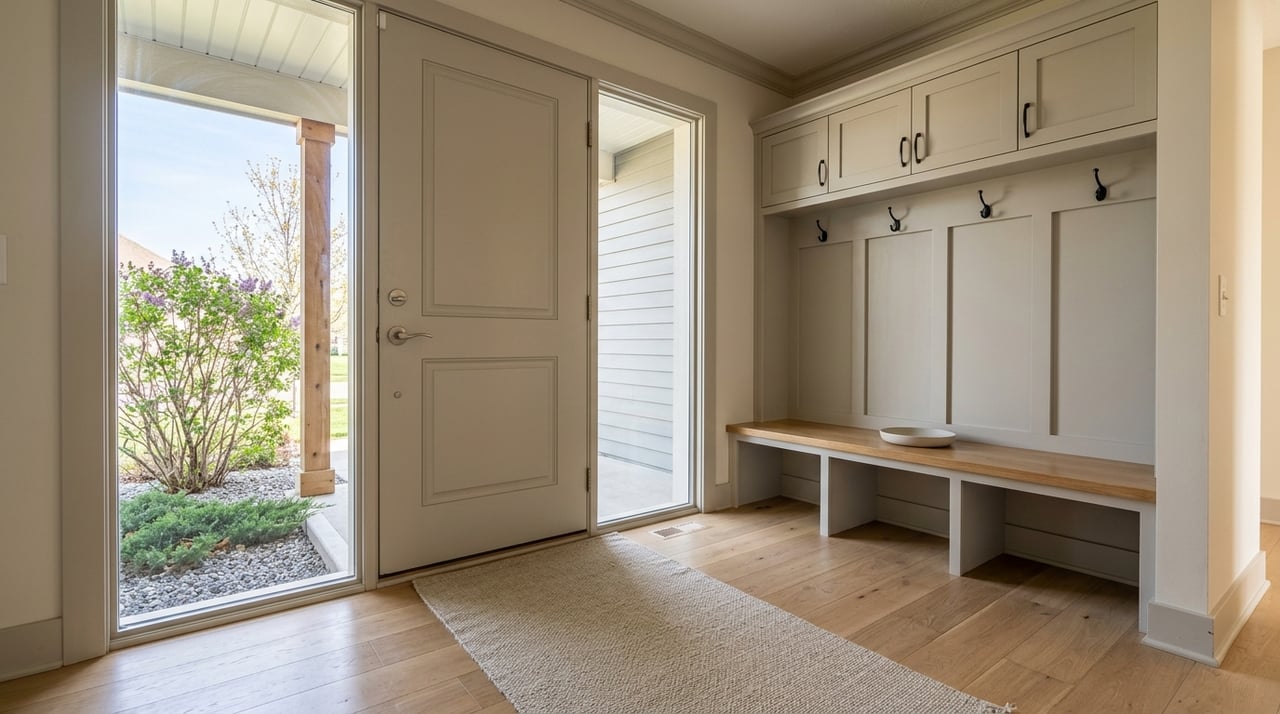
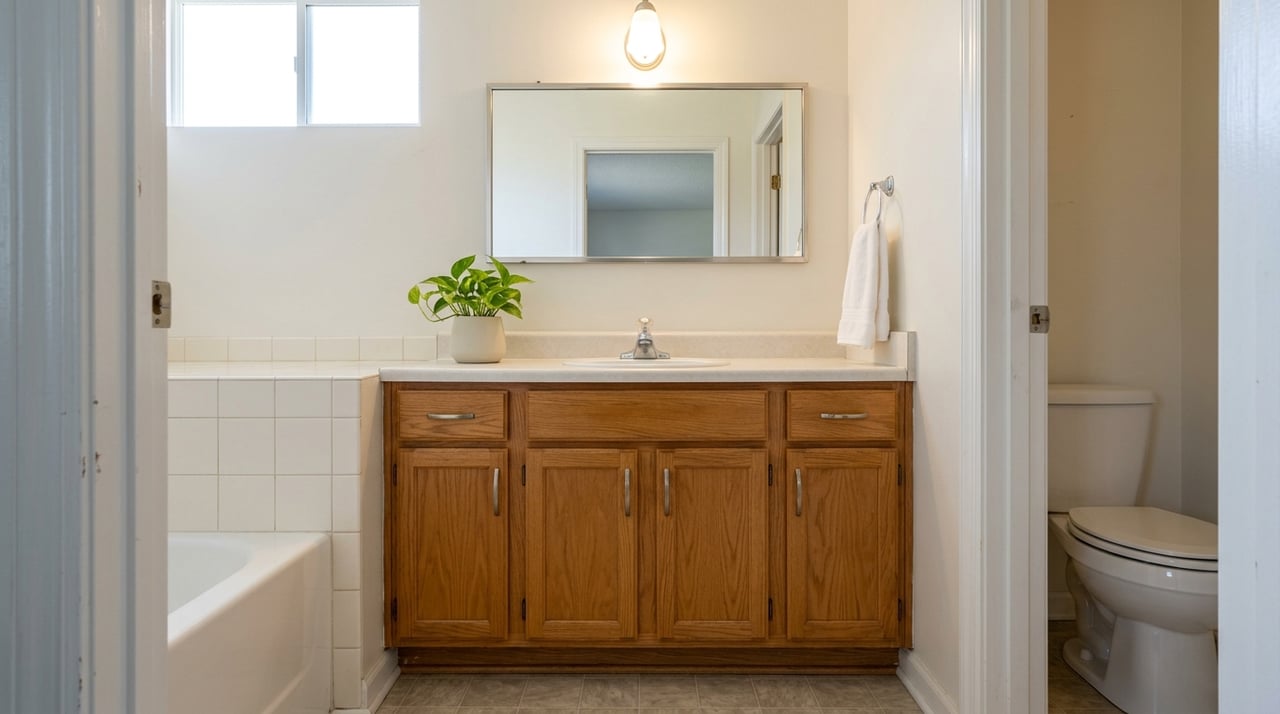
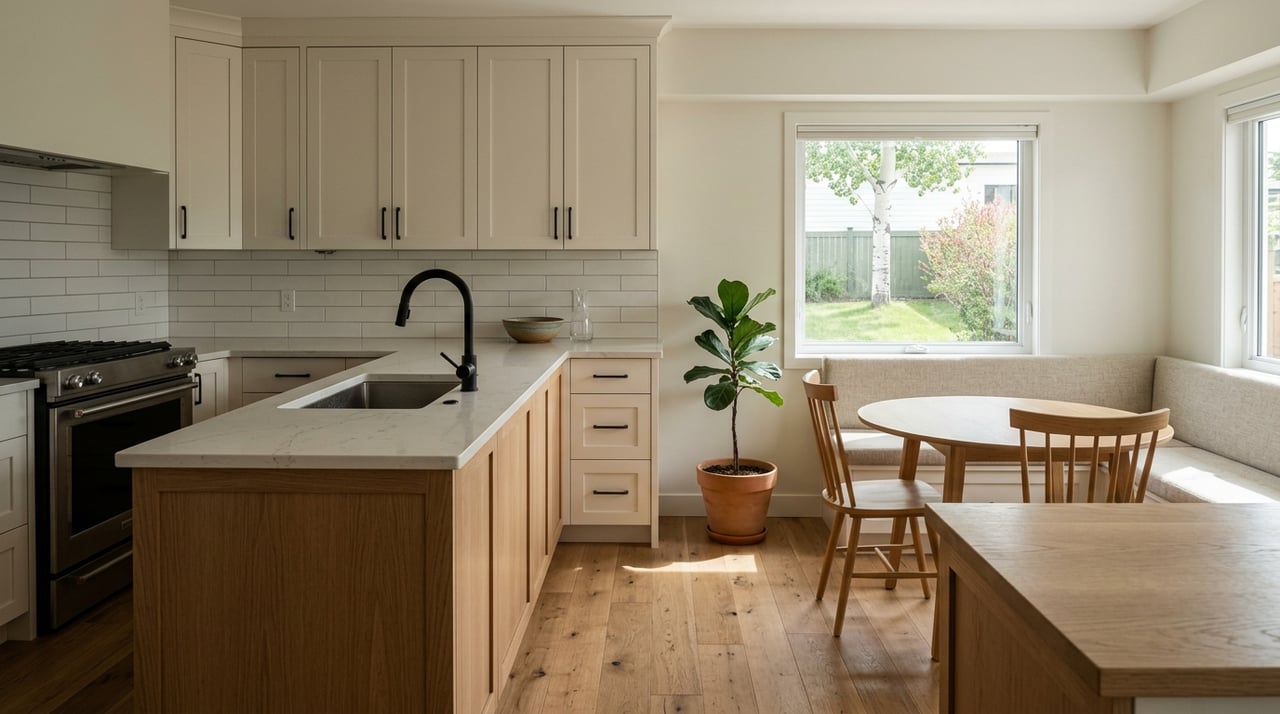
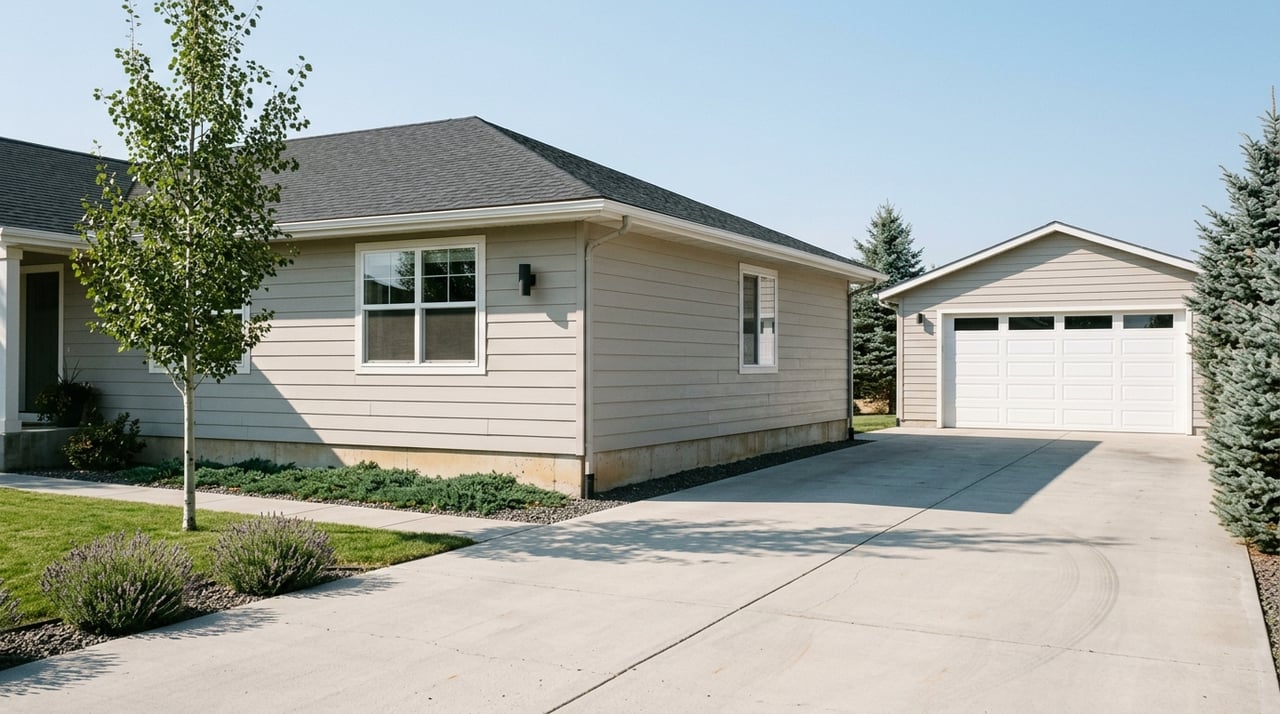
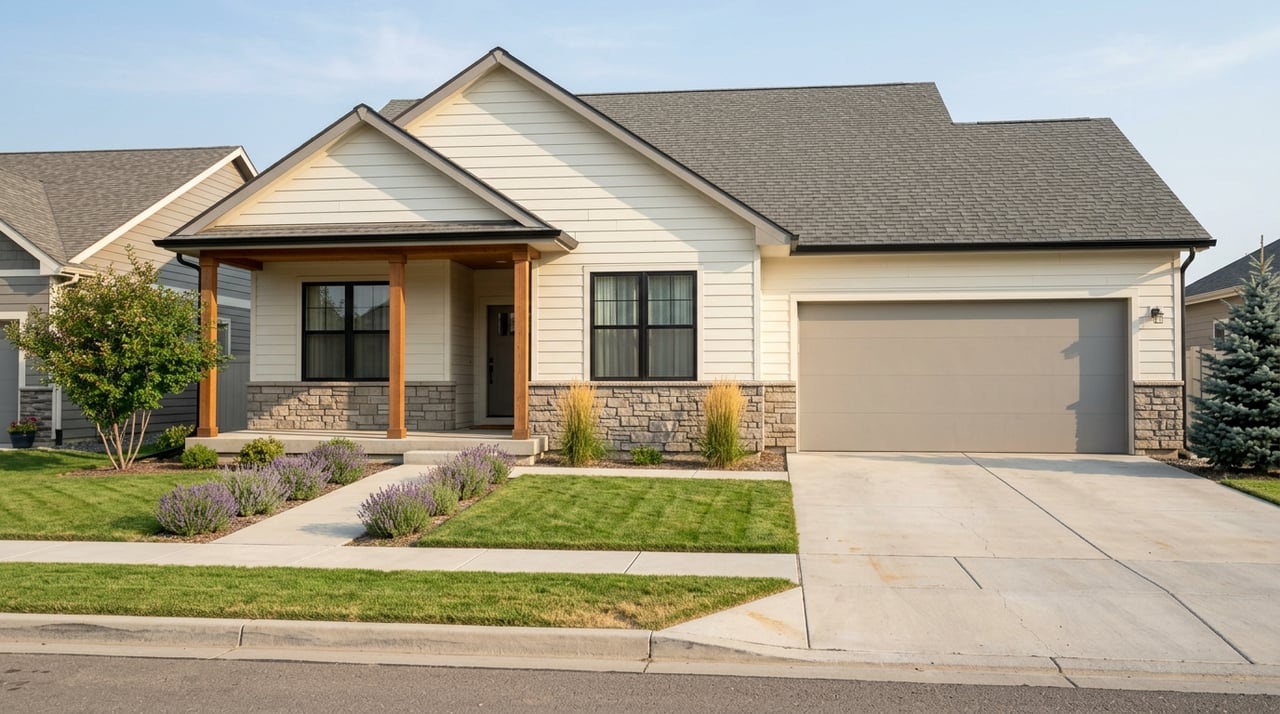
If you are wondering what kind of homes are most common in Kimberly, current market snapshots suggest a house-focused inventory. In other words, buyers are generally seeing detached single-family homes rather than dense multifamily options.
That inventory appears to include a mix of established resale homes, newer subdivision properties, and some larger-lot or acreage-style options. Snapshot examples from current listing portals show many homes in the 3- to 5-bedroom range, with sizes roughly spanning from 1,463 to 4,319 square feet.
That variety can be useful if your needs are changing. You may be looking for your first home, more room to spread out, a newer build, or a property with extra outdoor space. Kimberly tends to give buyers several versions of that single-family-home lifestyle.
Kimberly Housing Market Snapshot
Housing data helps put expectations in context. Census figures show a median owner-occupied home value of $339,400 in Kimberly, while a current market snapshot from Homes.com reports a 12-month median sale price of $419,990, up 7% year over year.
That same snapshot says homes sell after an average of 71 days. While any individual property can move faster or slower depending on price, condition, and competition, that number suggests a market where preparation and pricing still matter.
For buyers, this means it helps to enter the search with clear priorities. For sellers, it reinforces the value of thoughtful presentation, realistic strategy, and good timing. Kimberly may feel relaxed, but smart planning still makes a difference.
Who Kimberly May Fit Best
Kimberly often makes sense for buyers who want a quieter home base while staying connected to Twin Falls. If your goal is to reduce noise, keep a manageable commute, and find a more residential setting, this area checks a lot of boxes.
It may also fit if you prefer a community where parks, local events, and neighborhood-scale living are part of everyday life. The combination of owner-occupied housing, local amenities, and nearby recreation gives Kimberly a practical kind of appeal.
At the same time, the right fit always depends on your routine. Commute needs, home style, budget, lot size, and how often you rely on Twin Falls services all matter. The best move is usually the one that matches your actual week, not just your wish list.
How to Evaluate Kimberly as a Buyer
If Kimberly is on your short list, keep your search focused on the details that shape daily life. A calm decision usually comes from comparing what matters most before you fall in love with a specific home.
Consider questions like these:
- How often will you commute to Twin Falls?
- Do you want an established neighborhood, newer construction, or more land?
- How important is quick access to Highway 30 or Interstate 84?
- Do you want to be close to parks or local community spaces?
- Are you looking for a move-in-ready home or a property with room to improve over time?
A clear framework can save you time and reduce second-guessing. It also helps you spot which homes truly support your lifestyle instead of just looking good online.
Kimberly offers a compelling mix of small-town scale, everyday convenience, and easy access to the wider Magic Valley. If you want a place where you can slow down a bit without stepping away from Twin Falls, it is easy to see why so many buyers keep Kimberly on their radar.
If you want help comparing Kimberly with other nearby communities or building a clear plan for your move, Kristie Holman offers calm, local guidance rooted in the Magic Valley market.
FAQs
How long is the commute from Kimberly to Twin Falls?
- Kimberly is within a few miles of Twin Falls, many residents commute there, and the mean travel time to work is 18.0 minutes.
What is it like living in Kimberly, Idaho?
- Kimberly offers a compact, residential setting with parks, a local library, community events like Good Neighbor Days, and convenient access to Twin Falls.
What kinds of homes are common in Kimberly, Idaho?
- Current market snapshots suggest Kimberly has mostly detached single-family homes, including established resales, newer subdivision homes, and some larger-lot properties.
Does Kimberly, Idaho have local parks and recreation?
- Yes. Kimberly maintains about 14 acres of parks, and nearby recreation includes golf, Shoshone Falls, Rock Creek Station, Twin Falls Park, and the South Hills mountain bike trails.
Are services and medical care close to Kimberly, Idaho?
- Yes. Twin Falls is nearby and serves as the regional hub for shopping, health care, airport service, and other day-to-day needs.